
African nations are progressively adopting AI-powered educational solutions to enhance teaching and learning, as AI is revolutionizing education systems globally. Artificial Intelligence (AI) refers to computer systems and technologies that are capable of carrying out tasks like problem-solving, language comprehension, data analysis, and decision-making that typically need human intelligence. AI is being applied in education to develop more intelligent learning environments where teachers can better oversee class activities and students receive more individualized help. AI is emerging as a key instrument for raising the caliber, accessibility, and effectiveness of education as more African nations embrace digital technologies.
Personalized learning is one of the main benefits of AI in education. AI-powered learning platforms are able to assess a student’s progress, learning style, strengths, and shortcomings and modify lessons based on the student’s needs and rate of learning. For instance, faster learners can advance to more complex subjects without waiting for the rest of the class, while students who have difficulty with arithmetic can receive extra tasks and explanations. Students learn more efficiently and perform better academically as a result. In African schools, where it might be challenging for teachers to provide each student with individualized attention due to huge class sizes, personalized learning is particularly beneficial.
AI is also assisting educators in lessening their burden and enhancing classroom management. Teachers in many African nations deal with issues like packed classrooms, a lack of resources, and a lot of administrative work. By autonomously grading assignments and examinations, checking student attendance, keeping tabs on academic progress, and producing performance reports, AI systems can help teachers. Teachers can now devote more of their time to instructing and assisting students instead of managing tedious administrative duties. Additionally, some AI-powered platforms may recognize students who might be slipping behind and notify teachers in advance so that additional assistance can be given before the student’s performance deteriorates.
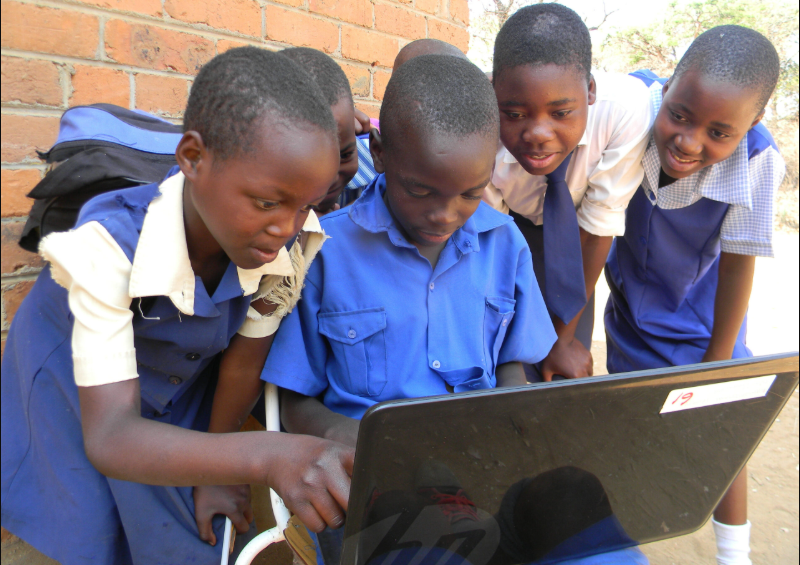
The usage of smart learning assistants, educational chatbots, and virtual tutors is another significant way that AI is being used in African education. With the use of these resources, kids can get academic assistance even after regular school hours. AI chatbots can use straightforward interactive dialogues to take students through lessons, answer questions, clarify complex ideas, and help with assignments. AI-powered tutoring systems can help close educational gaps by giving students extra learning support in remote locations where there may be a shortage of trained teachers. In rural areas, where access to educational resources is frequently restricted, this is especially crucial.
A number of African nations are already investigating and funding the use of AI in education. Kenya has implemented digital learning initiatives that promote the use of educational technology in classrooms. Rwanda is still making investments in internet access, smart classrooms, and innovation centers that support AI development and digital learning. AI tools are being used at South African universities and online learning platforms to enhance research and higher education. Additionally, Uganda has started creating regulations and educational initiatives that promote the moral and responsible application of AI in the classroom. These initiatives demonstrate how African nations are realizing how critical it is to prepare kids for a future driven by technology.
Additionally, AI can help children with particular learning challenges and disabilities have better access to education. For students who might find it difficult to study in typical classroom settings, speech recognition, text-to-speech systems, automatic translation, and adaptive learning aids can make education more inclusive. AI-powered audio learning systems, for instance, can be used by visually impaired students, and language translation technologies can assist students in learning both local and foreign languages. Regardless of their physical or learning disabilities, this promotes educational equity and ensures that more children receive high-quality education.
The application of AI in education in Africa still confronts a number of obstacles despite its many benefits. Many schools, particularly those in rural areas, lack the computers, digital gadgets, electricity, and dependable internet access necessary to enable AI technologies. Adoption of AI systems is also constrained in some nations by the high cost of technology infrastructure and internet data. To properly employ new technologies, many educators and students still need to receive training in digital literacy and AI-related abilities. Governments and educational institutions must also carefully consider concerns around data privacy, cybersecurity, and the ethical application of AI.
As governments, tech firms, and international organizations continue to engage in digital transformation, the future of AI in African education seems bright. AI-powered education is anticipated to become more widely available throughout the continent due to increased smartphone use, growing internet connectivity, and advancements in digital infrastructure. These days, a lot of African nations are creating national digital education plans that incorporate robotics, coding, AI training, and other technology-related disciplines into school curricula. AI is anticipated to have a significant impact on equipping African students with the digital skills and knowledge required for future employment and involvement in the global digital economy as long as these investments continue.