
One of the most significant developments influencing education in Africa today is education technology, or EdTech. In order to enhance teaching and learning, it refers to the use of digital tools and contemporary technology including computers, tablets, smartphones, projectors, artificial intelligence (AI), online learning platforms, and internet services. In order to make teaching simpler, quicker, and more efficient, schools, colleges, and institutions around Africa are implementing technology. Because many African nations understand the importance of technology for innovation, economic growth, and global competitiveness, this tendency has expanded quickly. African educational institutions are evolving to better prepare students for contemporary jobs and technology breakthroughs as the world grows more digitally connected.
The rising availability of mobile phones and internet connectivity is one of the primary factors contributing to the growth of educational technology in Africa. Many pupils in rural and isolated places used to have little access to literature, libraries, and trained teachers. Students may now access educational resources online from nearly anywhere thanks to smartphones and internet services. Through online platforms, students can interact with teachers, watch instructional videos, download notes, and participate in virtual classes. Kenya, Rwanda, Nigeria, Ghana, South Africa, and other nations are making significant investments in digital learning platforms to raise educational standards and expand access for all students, particularly those from underprivileged backgrounds.
The necessity to address educational issues is a significant contributing element to the growth of educational technology in Africa. Overcrowding in classrooms, teacher shortages, a lack of textbooks, and inadequate learning materials are issues that many African schools deal with. By offering digital alternatives, educational technology helps lessen these difficulties. For instance, thousands of students can share a single digital textbook online, lowering printing costs and increasing accessibility. Additionally, a teacher can reach a large number of pupils simultaneously through virtual learning platforms, even if they are located in various places. This increases productivity and gives more students access to educational opportunities.
One of the most potent technologies affecting education in Africa today is artificial intelligence (AI). By evaluating students’ strengths and shortcomings, AI systems can tailor instruction to each student’s learning level. AI is used by several educational apps to respond to inquiries from students, provide feedback, and suggest readings. By automating processes like creating lesson plans, grading assignments, and keeping track of student progress, AI also benefits educators. AI tools are already being deployed in some African nations to help with language acquisition, science, math, and coding. This technology is assisting schools in modernizing and enhancing students’ educational experiences.
Another crucial component of educational technology in Africa is digital teacher training. The effective use of technology in the classroom is mostly dependent on the teachers. To assist teachers in learning how to use computers, projectors, smart boards, and e-learning platforms, numerous governments and educational institutions are now hosting seminars and online training courses. Teachers gain confidence in teaching contemporary lessons and enhance their technology proficiency through digital training. Teachers can continue their education without having to leave their classrooms or travel great distances thanks to online teacher training programs. This raises the standard of instruction overall and guarantees that educators can adjust to evolving teaching strategies.
The application of educational technology in Africa was significantly advanced by the COVID-19 epidemic. Millions of pupils were unable to attend in-person classes during school closures. In order to maintain education amid the crisis, governments and schools implemented mobile learning apps, television classes, radio programs, and online learning systems. The epidemic demonstrated the value of digital learning systems, even though some students struggled because they lacked devices or the internet. Blended learning, which blends traditional classroom instruction with online learning, has been used by numerous schools ever since. This strategy helps schools grow better equipped to handle emergencies in the future while also providing students with greater flexibility.
Equal access to education in Africa is also being improved via educational technologies. Through mobile phones and online platforms, students residing in underserved neighborhoods, rural locations, and refugee camps can now access educational resources. Assistive technology like screen readers, voice recognition software, and audio learning tools are also beneficial for learners with disabilities. Regardless of their physical condition or location, more students can participate in an inclusive educational system thanks to these technology. As a result, educational technology is contributing to the reduction of inequality and increasing the number of African children who have access to high-quality education.
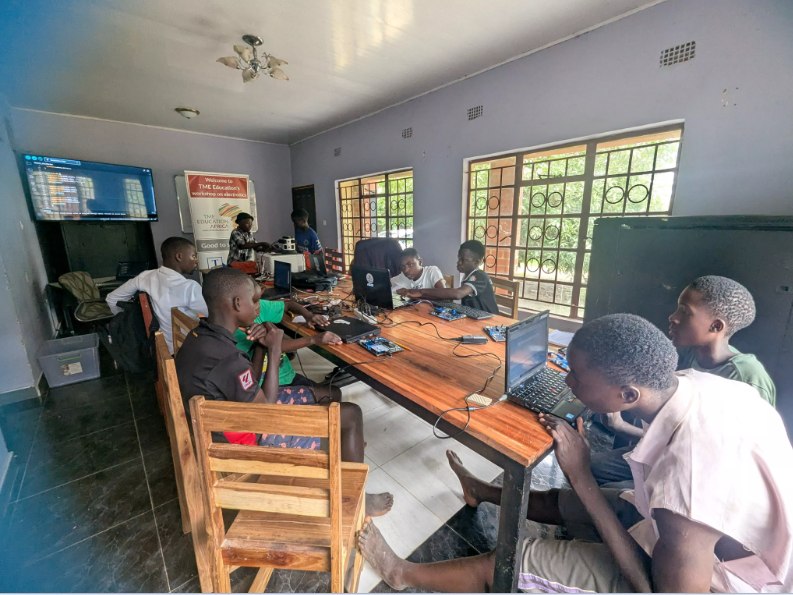
The implementation of digital skills and coding programs in schools is another significant trend in African education. Many African countries understand that future jobs will require technological knowledge and digital literacy. As a result, computer studies, robotics, programming, and digital communication are being taught in schools. Students are learning how to use software, build websites, write computer code, and apply technology to solve problems. Young individuals can pursue jobs in technology, engineering, business, and innovation using these capabilities. Additionally, they support African youth’s entrepreneurship and inventiveness.
Technology in education has numerous advantages, but there are still a number of issues in Africa. Many schools don’t have adequate digital gadgets, dependable electricity, or internet access. Effective usage of online learning systems is challenging in rural locations due to inadequate infrastructure. Some students are also unable to fully engage in digital education due to the expensive cost of computers, smartphones, and internet connectivity. Additionally, some parents and teachers struggle with technology, which makes it challenging to assist students. These difficulties demonstrate the continued need for infrastructure, reasonably priced internet access, and digital training initiatives to be funded by African governments and private organizations.
International organizations, private businesses, and governments are collaborating to promote the development of educational technology in Africa. Numerous nations are investing in school connectivity initiatives and developing national strategies for digital education. Additionally, schools are receiving financing, instructional software, devices, and training from international organizations and technology corporations. Research, innovation, and digital learning systems are being enhanced by collaborations between African universities and international technology organizations. These partnerships are assisting students in gaining access to contemporary learning opportunities and bolstering Africa’s educational systems.
In conclusion, because it is changing how teachers and students learn, educational technology has emerged as one of Africa’s top educational trends. African nations are expanding access to high-quality education and preparing students for the future digital economy through online learning platforms, artificial intelligence (AI) systems, digital teacher training, coding education, and internet-based resources. The ongoing development of educational technology gives hope for a more robust and equitable education system throughout Africa, despite obstacles like inadequate infrastructure and scarce resources. Education technology will continue to be crucial to the advancement of African education and society with the right funding and assistance.