
Overview
In the growth of African nations, technology education and health are intimately related. The teaching and acquisition of skills pertaining to contemporary tools, computers, machinery, and digital systems is referred to as technology education. People’s physical, mental, and social well-being is referred to as their health. Technology education has grown in importance in emerging African nations because it enhances medical education, communication, disease management, and healthcare services. The way clinics, hospitals, and health organizations function has been altered by modern technology. As a result, numerous African nations are attempting to use technology to enhance healthcare and education.
What Technology Education Means
The process of educating individuals how to use computers, machinery, scientific knowledge, and digital tools to solve issues and enhance their lives is known as technology education. It gives students the technical and practical skills needed in a variety of fields, including education, business, agriculture, and healthcare. Computer literacy, internet usage, engineering proficiency, training in medical technology, and communication device use are all included in technology education. People who receive technology education are more equipped to use contemporary systems in their daily lives and at work.
What Health Means
Health is more than just the absence of illness; it is the state of total physical, mental, and social well-being. Good health enables people to work, learn, and participate in national development activities. Health services include immunization programs, public health education, maternity and child healthcare, disease prevention, diagnosis, and treatment. Due to poverty, a lack of medical facilities, and a lack of qualified healthcare professionals, sustaining good health is still difficult in many developing African nations.
The connection between health and technology education
Because technology plays a major role in current healthcare systems, there is a substantial correlation between technology education and health. Technology-trained individuals can create and run systems that enhance the provision of healthcare. While physicians and nurses utilize medical equipment for diagnosis and treatment, hospitals use computers to preserve patient records. Through mobile phones and internet services, technology also facilitates communication between patients and healthcare professionals. Additionally, social media, radio, and television may rapidly disseminate health information. As a result, technological education contributes to better healthcare services in terms of quality, speed, and accessibility.
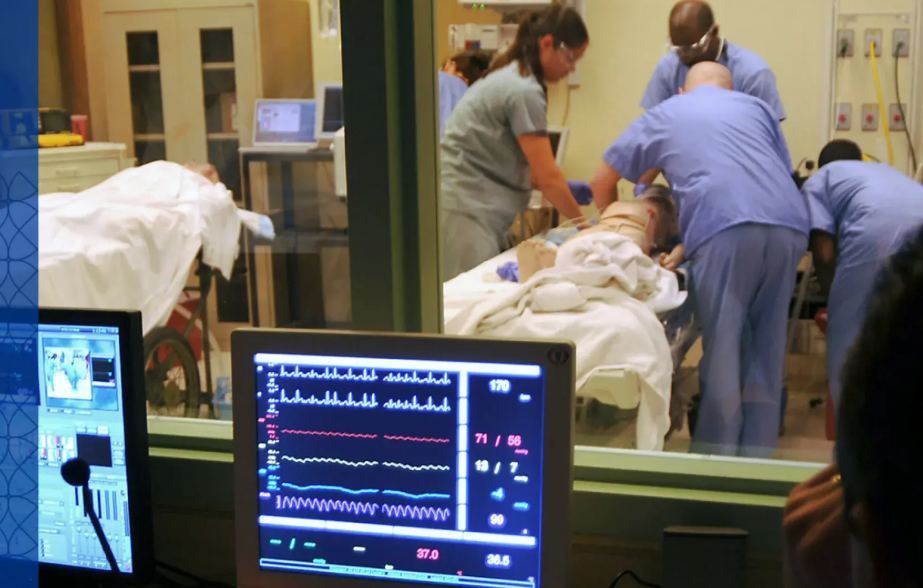
Technology Education’s Significance in Enhancing Health Services
Health services are enhanced by technology education in numerous ways. Through online education, research, and digital training programs, it aids in the education of physicians, nurses, and medical students. Health professionals may identify illnesses more rapidly and precisely thanks to modern medical technology including X-ray machines, ultrasound scanners, and laboratory technologies. Additionally, technology enhances communication in medical facilities, particularly in times of emergency. Additionally, hospitals keep patient data effectively and safely using technological technologies. Because patients in remote locations can obtain medical advice via phone calls and online consultations without having to travel great distances, telemedicine has also grown in importance.
Technology Utilization in African Health Systems
These days, the healthcare systems of many African nations use technology. Electronic medical records are used by hospitals to handle patient data and enhance medical care. Governments and health organizations can transmit health messages, vaccine reminders, and medical advice via mobile phones thanks to mobile health services. Through video calls and online consultations, telemedicine allows physicians in urban regions to help patients in rural locations. Additionally, diseases like COVID-19, Ebola, HIV/AIDS, and malaria are monitored and controlled by technology. Additionally, scientists and researchers study diseases and create vaccines and therapies using computers and laboratory equipment.
Technology Education’s Advantages for Public Health
In developing African nations, technology education has numerous advantages for public health. By raising public awareness through media and communication channels, it helps stop the spread of illness. Additionally, it makes healthcare services more accessible, particularly for those who live in rural areas. By assisting medical professionals in better patient monitoring, technology enhances maternity and child healthcare. Additionally, time and resources are saved as healthcare is delivered more quickly and effectively. Additionally, technological education opens up job chances in the healthcare and information technology sectors. Additionally, it promotes research and innovation, which results in improved solutions for health issues.
Africa’s Technology and Health Education Challenges
Despite its significance, healthcare and technology education in developing African nations confront numerous obstacles. Modern equipment required for technological growth, energy, and internet connectivity are lacking in many rural locations. Additionally, there is a lack of qualified educators, medical professionals, technicians, and IT experts. Many hospitals and institutions find it difficult to buy medical equipment and digital systems due to their high cost. The growth of the healthcare and education industries is further constrained by inadequate government support. Furthermore, a lot of people are not proficient in using modern technology and have low levels of digital literacy. Progress is also hampered by poor internet access and brain drain, which occurs when talented individuals relocate to richer nations in search of better possibilities.
International and Governmental Assistance
International organizations and African countries are working to enhance healthcare and technological education. Governments are establishing online learning programs, constructing ICT facilities in hospitals and schools, and funding public health initiatives. African nations receive financial support, training, medical equipment, and technical assistance from international organizations like the World Health Organization, United Nations Children’s Fund, African Union, and World Bank. These initiatives seek to enhance healthcare services and fortify educational systems.
Potential Remedies and Suggestions
In developing African nations, there are a number of ways to enhance health care and technological education. Infrastructure like power, internet services, schools, and hospitals should receive more funding from governments. The healthcare and education sectors should receive more funds so they can upgrade services and buy new equipment. To fulfill rising demands, nations should also train additional educators, physicians, nurses, and ICT specialists. To help people acquire technology skills, digital literacy programs should be implemented at a young age. In order to promote development initiatives, African governments should also fortify their alliances with private businesses and international organizations. Young people should also be encouraged to create regional technological solutions that address health issues in their areas.
In conclusion
In developing African nations, technology education is crucial to enhancing healthcare systems. It promotes healthcare administration, research, communication, illness prevention, and medical education. Even though many African nations still struggle with issues including inadequate money, inadequate infrastructure, and a lack of qualified workers, technology is nevertheless having a significant impact on the health sector. African nations may employ technological education to advance sustainable national development and enhance public health with the right funding, training, and international collaboration.