
Overview
To enhance the quality of life for their citizens and boost their economy, African nations have undertaken a number of initiatives to advance technology and technical advancement. In industries including education, healthcare, agriculture, communication, transportation, and business, technology is crucial. Many African governments are aware of how technology may boost national growth, improve public services, generate jobs, and lessen poverty. Consequently, several initiatives and tactics have been implemented to disseminate technology over the continent.
Introduction of ICT Education
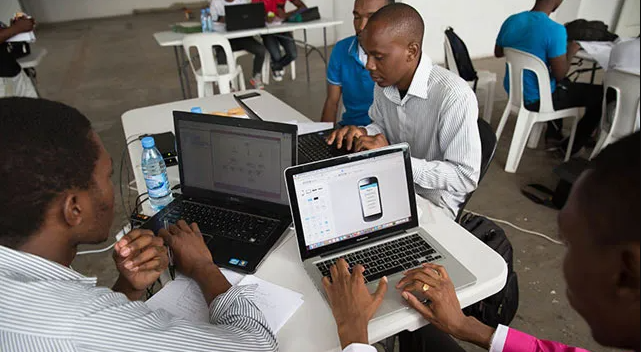
Information and communication technology (ICT) has been implemented in schools, colleges, and institutions throughout several African nations. To prepare them for the current world, students are taught digital communication, internet usage, and computer abilities. Governments have constructed ICT labs, provided computers to schools, and trained educators to teach computer studies. This endeavor aids students in acquiring technological knowledge and equips them for careers in technology-related fields in the future.
Growth of Telecommunications and Internet Services. To increase access to technology, African nations have expanded their mobile and internet networks. Broadband internet services, fiber optic cables, and cell phone towers have all been funded by both public and private entities. Better communication technologies make it easier for consumers to access government services, economic possibilities, health information, and online education. Africa has seen a surge in digital communication due to the widespread use of cellphones and internet services.
Technology Utilization in Healthcare. To enhance healthcare services, many African nations have implemented technology in their hospitals and medical facilities. Electronic medical records are used by hospitals to effectively handle patient data. Particularly in rural locations, telemedicine enables physicians to interact with and treat patients via phone and internet services. Additionally, messages about disease prevention, health information, and vaccine reminders are sent via mobile phones. By facilitating communication and disease surveillance, technology was crucial to the COVID-19 outbreak.
Creation of Hubs for Innovation and Technology. To promote youth creativity and research, a number of African nations have set up innovation and technology hubs. These facilities support innovators in creating mobile apps, software, and other technical solutions to address regional issues. Technology hubs offer young researchers and entrepreneurs financial support, mentorship, and training.
Encouragement of Digital Payment Systems and Mobile Banking. To enhance financial services, African nations have pushed electronic payment methods and mobile banking. Without the requirement for bank accounts, mobile money services enable users to transfer and receive money using their phones. Business operations, trade, and financial inclusion have all increased because to this technology, particularly in rural areas with few banks.
E-Government Service Development. To offer public services online, several African governments have implemented e-government platforms. Through digital portals, citizens may now pay taxes, register businesses, apply for passports, and view test results. E-government services decrease corruption in public organizations, increase efficiency, and save time.
Enhancement of Vocational and Technical Education. In order to supply useful technology skills, African nations have increased technical and vocational education. Engineering, electronics, mechanics, computer science, and industrial technology are taught at technical colleges and vocational training facilities. These establishments aid in the production of skilled laborers required for the advancement of industry and technology.
Encouragement of Agricultural Technology. Modern technology is being used by African nations to enhance food production and agriculture. Modern farming tools, irrigation systems, better seeds, and weather forecasting technologies are all being taught to farmers. Farmers may learn about markets, weather, and contemporary farming practices with the aid of mobile phones and internet connections. Increased food output and higher farmer earnings are two benefits of agricultural technology.
Collaborations with Global Organizations. African nations collaborate with developed nations and international organizations to advance development and technology. Financial support, technology equipment, training, and technical assistance are provided by organizations including the World Bank, African Union, World Health Organization, and United Nations Educational, Scientific, and Cultural Organization. These collaborations assist African nations in enhancing their systems for research, education, healthcare, and communication.
Obstacles to Technological Advancement. Despite these initiatives, African nations continue to struggle with issues such inadequate finance, a lack of electricity, poor internet access, a lack of qualified workers, and expensive equipment. Technological advancement is also impacted by brain drain, which occurs when skilled professionals relocate to industrialized nations in search of better possibilities. Inadequate infrastructure and restricted access to contemporary technology are especially detrimental to rural places.
In conclusion
Through ICT education, internet expansion, healthcare modernization, innovation hubs, mobile banking, and agricultural technology, African nations have made significant attempts to spread technology. Education, communication, healthcare, business, and national growth are all being enhanced by these initiatives. Technology continues to play a significant role in changing African nations and raising the standard of living for their citizens, despite numerous obstacles that still